
SEBI highlights technology-led surveillance, investor protection measures, and digital trust as key priorities.
MUMBAI — As AI-generated deepfakes, “digital arrests,” cyber-enabled financial frauds, and crypto-powered crime networks grow increasingly sophisticated, traditional investigative methods are struggling to keep pace.
At the recent FICCI Conference on Next-Gen Forensics: The New Age of Fraud Investigation, industry experts, regulators, and law enforcement leaders warned that combating this new wave of crime requires a fundamental shift toward advanced forensic technologies, real-time intelligence sharing, and stronger institutional collaboration.
The Industrialization of Digital Fraud
Speaking at the conference, Mr. Brijesh Singh, IPS, Principal Secretary, Government of Maharashtra, highlighted that cybercrime has evolved from isolated incidents into a highly organized, industrialized ecosystem. In this new landscape, specialized actors handle distinct functions—ranging from data theft and identity creation to mule networks, deepfake generation, and crypto-laundering.
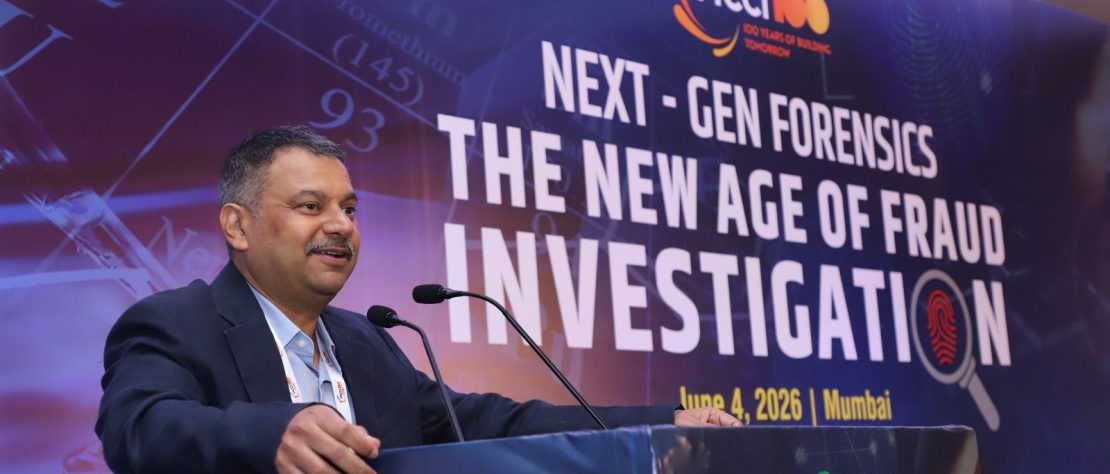
“Today, fraud has become an industrial-scale enterprise. By the time the first call reaches a victim, fraudsters may already know their personal details, behavioral patterns, and psychological vulnerabilities. The entire chain—from data acquisition to money movement through crypto networks—can be completed in less than 30 minutes, making traditional investigative approaches increasingly ineffective.”
— Mr. Brijesh Singh, IPS
Singh emphasized that voice cloning, deepfakes, and Fraud-as-a-Service (FaaS) platforms have “weaponized trust,” demanding integrated forensic platforms and modernized evidentiary frameworks to effectively prosecute digital crimes.
SEBI’s Push for Proactive Investor Protection
Representing the regulatory front, Mr. Govindayapalli Ram Mohan Rao, Executive Director at SEBI, outlined the regulator’s ongoing initiatives to secure India’s capital markets and bolster digital trust.
Key SEBI Anti-Fraud Initiatives:
- SEBI Check & App Check: Tools designed to help investors verify legitimate financial entities and avoid cloned or malicious applications.
- UPI Verification Mechanisms: Enhanced verification protocols to secure digital transaction pathways.
- Advanced Surveillance & Audits: Continuous monitoring of misleading online content, platform coordination, and rigorous cybersecurity audits.
“Prevention is always better than investigation after the event,” Rao stated. “Through proactive surveillance and technology-enabled detection systems, we are working continuously to reduce fraud risks and build greater digital trust across the financial ecosystem.”
Intelligence-Led Investigations and Evolving Legal Frameworks
The rapid expansion of India’s digital economy has exponentially increased the data footprint, creating a broader attack surface for criminals.
Moving Beyond Siloed Defenses
Presenting the findings of the FICCI-KPMG report, Mr. Suveer Khanna (Head & Partner – Forensic Services, KPMG India) noted that organizations must overhaul their defense strategies. “Organisations must move beyond siloed responses and focus on intelligence-led investigations, collaborative risk management, and institutional learning to strengthen resilience against emerging threats,” Khanna said.
Navigating the Legal Landscape
Mr. Amey Mirajkar, Partner at Khaitan & Co, highlighted the legal hurdles of the modern digital landscape. Because modern investigations routinely cross borders and involve virtual assets, encrypted communications, and complex digital evidence, traditional compliance structures face unprecedented friction. The newly launched legal frameworks aim to bridge this gap, helping businesses and law enforcement adapt more effectively.
Connecting the Dots
Welcoming the delegates, Mr. Ravindra Jain (Member, FICCI and Vice President & Head of India Business, ClearTrail Technologies) summarized the core technical challenge facing modern forensics: “In today’s digital economy, the challenge is no longer collecting information, but connecting disparate digital footprints, evidence trails, and intelligence to build actionable insights.”
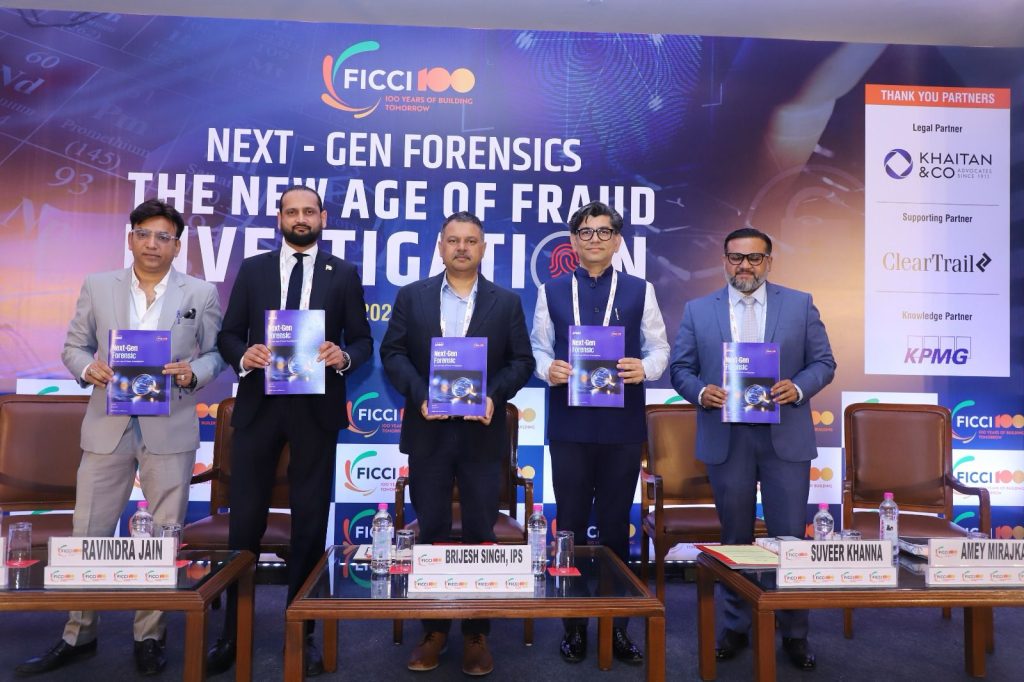
Major Knowledge Publications Launched
The conference marked the official release of two benchmark industry reports aimed at guiding organizations through this volatile threat landscape:
- The FICCI-KPMG Report: “Next Gen Forensics: The New Age of Fraud Investigation”
- The FICCI–Khaitan & Co Knowledge Paper: “Fraud in the Digital Age: Legal, Compliance and Enforcement Challenges”
Both publications offer comprehensive frameworks on AI-driven threats, evolving regulatory landscapes, and the next-generation forensic capabilities required to protect businesses and citizens alike.